Etofest: static festival websites for 2016 and 2017
May 29, 2026 · Services: Static sites
The Etofest websites for 2016 and 2017 are examples of static promo sites for a cultural event. The festival combined auteur short animated films, educational programs, concerts, exhibitions, and performances, so the website needed to explain the event format quickly and give the audience a clear entry point.
Open the projects: etofest2016.github.io and etofest2017.github.io
For festivals and temporary projects, publication before the event is not the only important part. The site also needs a life after the event. A static website works well as an archive: it can stay available for years without paying for a server or maintaining a CMS for an event that has already ended.
In this case study, the two festival years are best viewed together: they solve the same product task, while showing that the format is repeatable — a separate site for a specific year, program, and visual presentation.
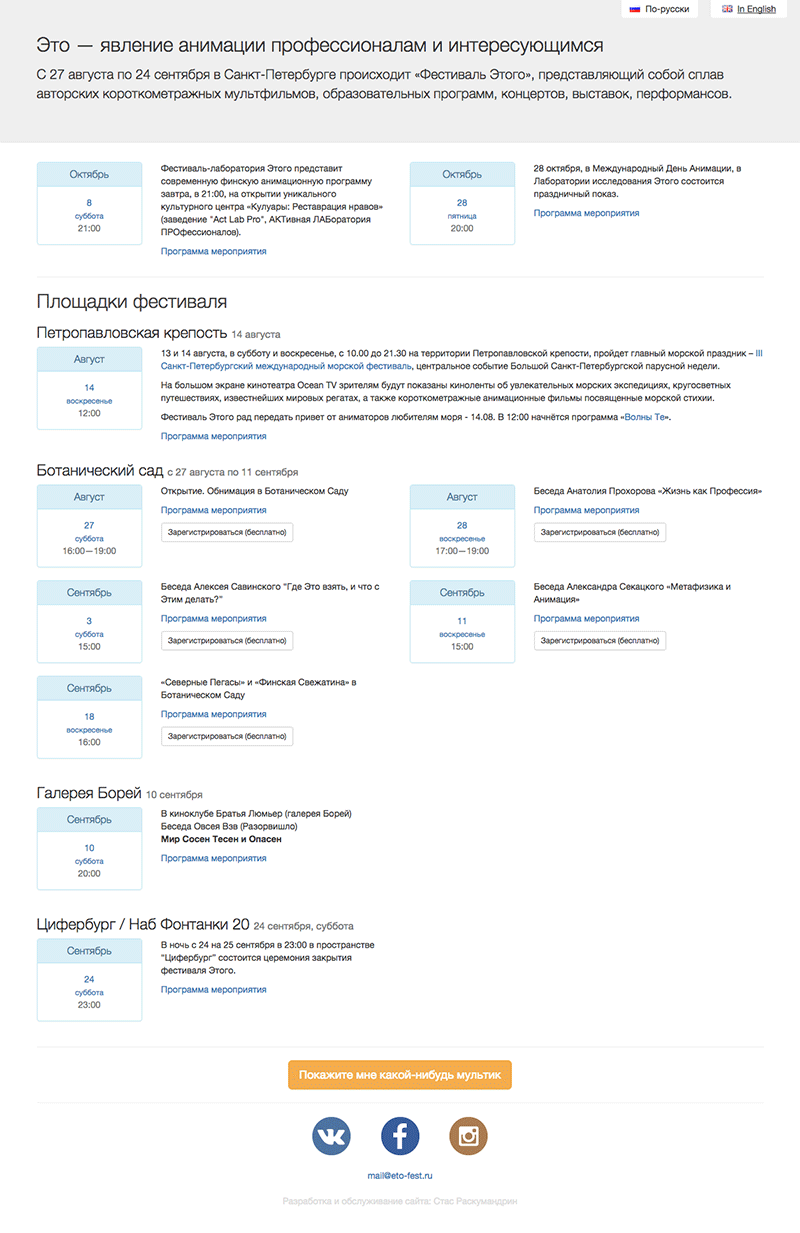
Figure 1. Etofest 2016 website: a promo page for a cultural event with program and visual presentation.
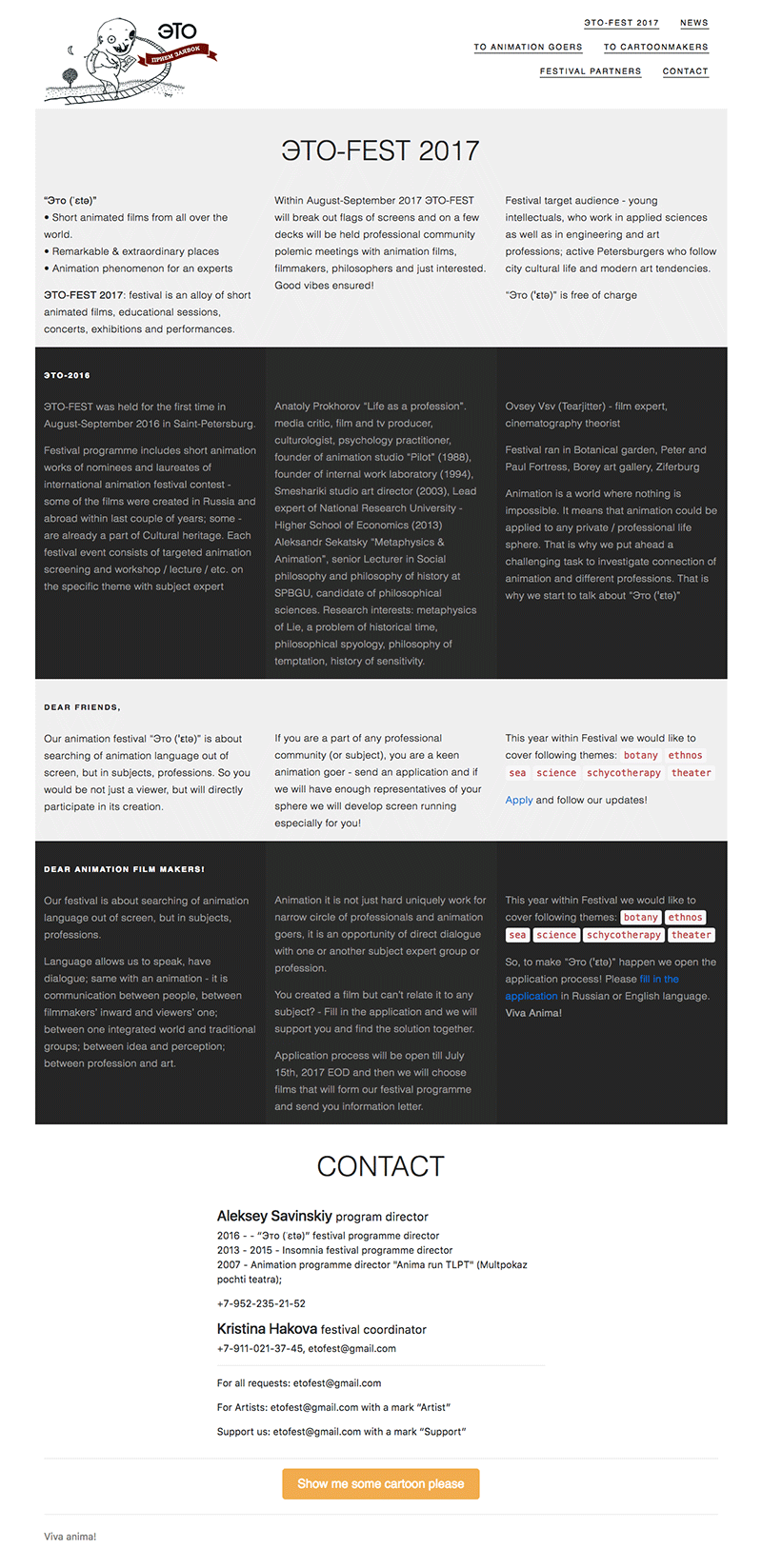
Figure 2. Etofest 2017 website: a separate version for the next festival season.
Task
The task was to create public festival pages that could be opened quickly, shared as links, and used in communication with the audience. The site needed to:
- present the festival as a coherent cultural event;
- bring the format description, visual presentation, and important links into one place;
- work without a heavy CMS or constant server maintenance;
- remain light enough for free publication on GitHub Pages;
- stay available as a public archive after the event ended.
Why a Static Website
Event websites often have a short active life cycle: before the festival, the team needs a promo page; during the festival, the audience needs a stable link; after the festival, the site becomes an archive. A static website gives this scenario good economics.
There is no need to maintain a database, update a CMS, or keep a server running for pages that are mostly read-only. At the same time, the website remains fast, portable, and suitable for long-term storage.
Technical Outline
- Format: static promo websites for separate festival years.
- Frontend: HTML/CSS layout with the event's visual presentation.
- Publishing: GitHub Pages.
- Backend: not required for the main public part.
- Archive: the sites remain available via permanent links after the festival ends.
User Flow
A user opens the link to a specific year and immediately enters the festival context. They do not need to figure out the organization's general structure or search for posts on social networks: the website acts as a separate communication hub around the event.
This is convenient for organizers as well: the link can live in posters, newsletters, posts, partner publications, and archive materials. After the event, the website does not turn into technical debt because it can remain on static hosting.
Result
- Separate websites were built for the 2016 and 2017 festival years.
- Each year received its own public page with its own visual presentation.
- The sites were published on GitHub Pages and do not require a separate server application.
- After the events ended, the pages continued to work as a festival archive.
- The case study shows how a static approach fits cultural, educational, and event projects with a limited active campaign period.
Who This Format Fits
- Festivals, conferences, lecture programs, and exhibitions.
- Cultural projects that need a fast website for a specific season or event.
- Teams that need a public archive without recurring costs.
- Projects where the main value of the website is structure, visual presentation, and a stable link.
If you need a similar result: I help assemble an event website, package the program and visual materials, publish a static version, and keep it suitable for a long-term archive.